How to bill residents for EV charging
8 min read

4 min readupdated
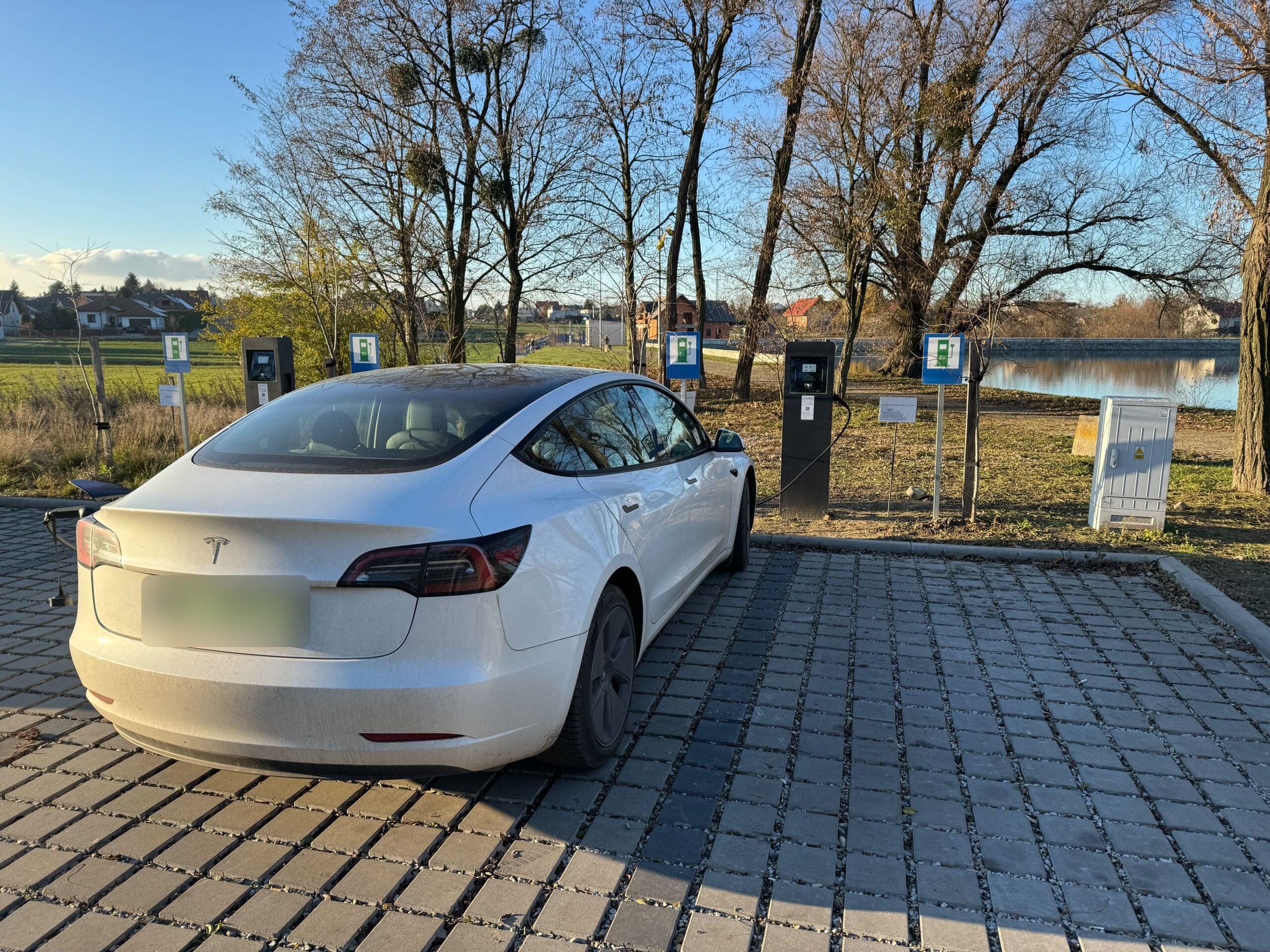
Not every resident needs their own charger at their parking space. While there are still only a few electric cars on the estate, a shared charger — one or several points available to all authorised users — is a cheaper start for the housing community and genuine convenience for residents. We explain how rotating charging works, how to bill it and what needs to be prepared.
The housing community installs one or several charging stations in a designated area — in an outdoor car park or in the garage. They can be used by all authorised residents, not just the owner of a single parking space.
In the Domena Power system, a resident checks in the app whether a connector is free, drives up, starts the session with one tap and sees the energy drawn and the cost in real time. The system assigns every session to a specific person and unit, so billing is just as precise as with a private charger.
The biggest challenge of sharing is cars that stay parked at the charger after they are fully charged. That is why it pays to agree clear rules from the start:
An electric car in everyday use does not need to charge every day — with typical mileage, a few hours of 11 kW charging every few days is enough. That is why one point can serve several drivers, and a station with two connectors correspondingly more.
A well-designed installation takes the target number of points into account. You start with one or two stations and add more as the number of cars grows — without repeating the assessment and design.
The number of residents per point depends on their mileage, charger power and the rotation rules. We prepare a recommendation for each specific estate.
Let’s compare ten residents with electric cars. Ten individual chargers mean ten devices, ten cable routes and ten installations — each usually costing 3,500–6,000 zł with materials, plus the charger itself. Two shared twin-socket stations cost a fraction of that, with one cable route and one assessment.
Every shared charger should have a MID-certified meter. The system assigns the energy used to the resident who charged, and the property manager downloads a per-unit report from the panel and issues debit notes. The price per kWh should reflect the housing community’s actual energy cost — that way nobody pays for someone else’s charging.
We will work out the net and gross amount incl. 23% VAT for your number of chargers.
Number of chargers (sockets)
First socket 30 zł, each additional +10 zł net/month.
External connectivity (LTE SIM cards)
When the charger has no access to the site internet. First card free, each additional +10 zł net/month.
We handle the entire process turnkey — see how we can help:
8 min read
5 min read
6 min read
Call or write — we’ll answer your questions about assessment, installation and charger billing. You can also leave an enquiry in the form beside this.