EV charging point requirements for car parks in 2026
4 min read

5 min readupdated
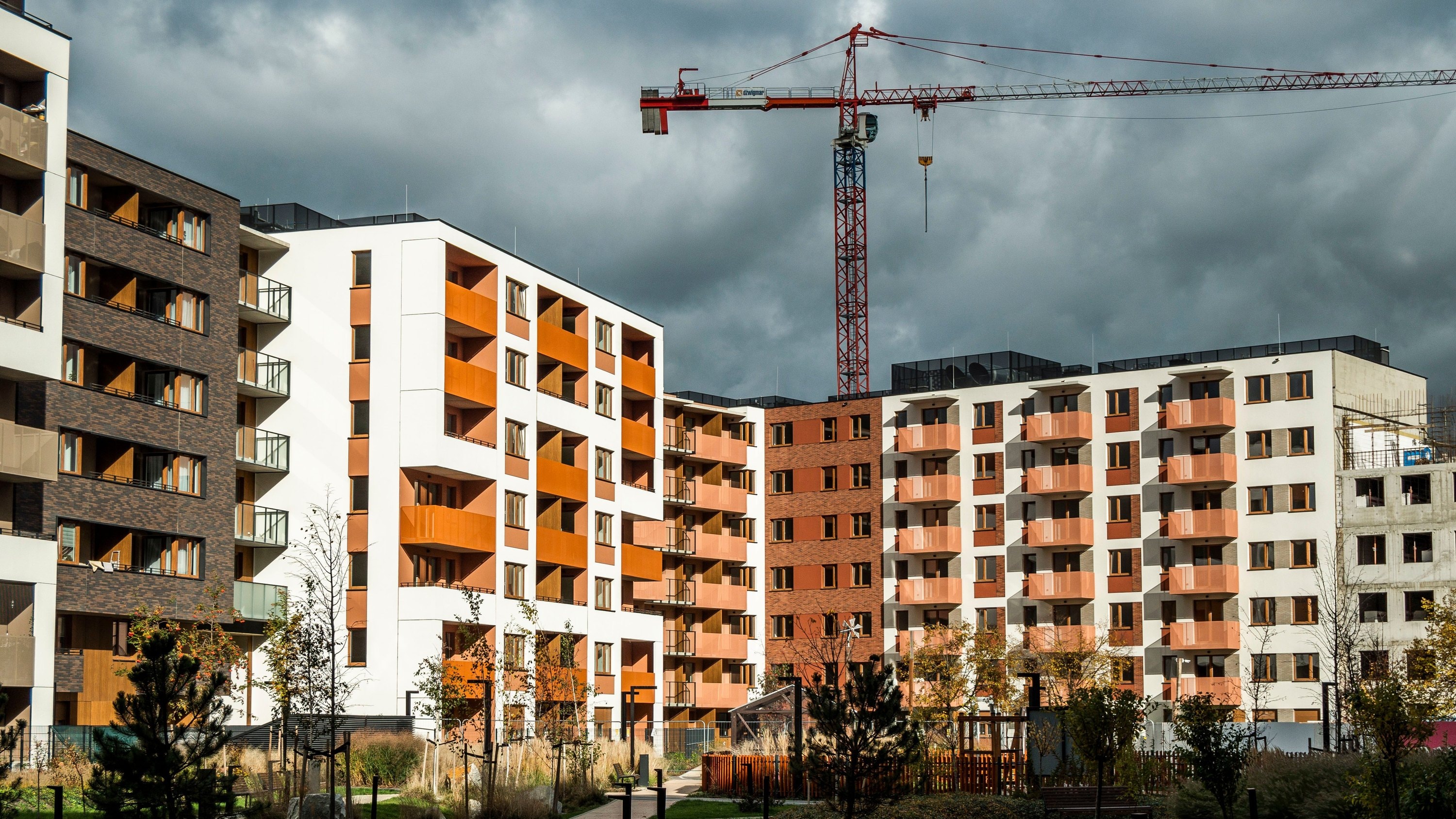 Fot. Shox Art
In Poland, new buildings with car parks must be ready for electric vehicle charging — and the EU EPBD directive raises the bar even higher. For a developer, this is not only an obligation but also a design decision that determines cost, residents’ convenience and the project’s appeal for years to come. We explain which rules apply to chargers in new buildings and how to plan the infrastructure so that you do not have to rework it after handover.
The requirements for new buildings come from Poland’s Act on Electromobility and Alternative Fuels. They depend on the type of building and the number of parking spaces:
Directive (EU) 2024/1275 (EPBD, the Energy Performance of Buildings Directive) goes further than the current Polish rules. The deadline for transposing it passed on 29 May 2026, and its requirements are to be written into, among other things, Poland’s technical conditions for buildings. For new developments this means:
As of September 2026. The EPBD requirements apply in Poland once transposed into national law. A building designed today will be in use for decades, so we recommend designing to the EPBD standard from the outset. This article does not constitute legal advice.
The regulations use three levels of readiness. Each level costs more at the construction stage, but far less than retrofitting it in an occupied building:
Running cable routes and power supply at the shell stage is work done together with the rest of the installation. The same work in a completed building means chasing walls, drilling through floor slabs, working in a garage that is in use, and getting the housing community’s consent for every change. On top of that come separate assessments and designs when residents request chargers one by one.
A single collective design at the development stage covers all parking spaces. At Domena Power, the installation assessment and design cost 3,000 zł net (3,690 zł gross) for the first point and 330 zł net (405.90 zł gross) for each additional one.
For buyers of an apartment with a parking space, charging readiness increasingly tips the balance. A space with power already run to it, or a working charger, is a concrete argument in the sales brochure — and a building handed over with a working billing system spares the future housing community disputes over who pays for the electricity.
A charger alone does not solve the billing question. With the Domena Power system, every session is assigned to a resident and their unit, and the property manager downloads reports for issuing debit notes. The developer hands the housing community a working, well-organised infrastructure and is not left with operating obligations. The subscription is 30 zł net per month for the first charger and 10 zł net for each additional one, with no commission on energy.
We handle the entire process turnkey — see how we can help:
4 min read
2 min read
4 min read
Call or write — we’ll answer your questions about assessment, installation and charger billing. You can also leave an enquiry in the form beside this.