Community consent for your own EV charger in Poland
5 min read

2 min readupdated
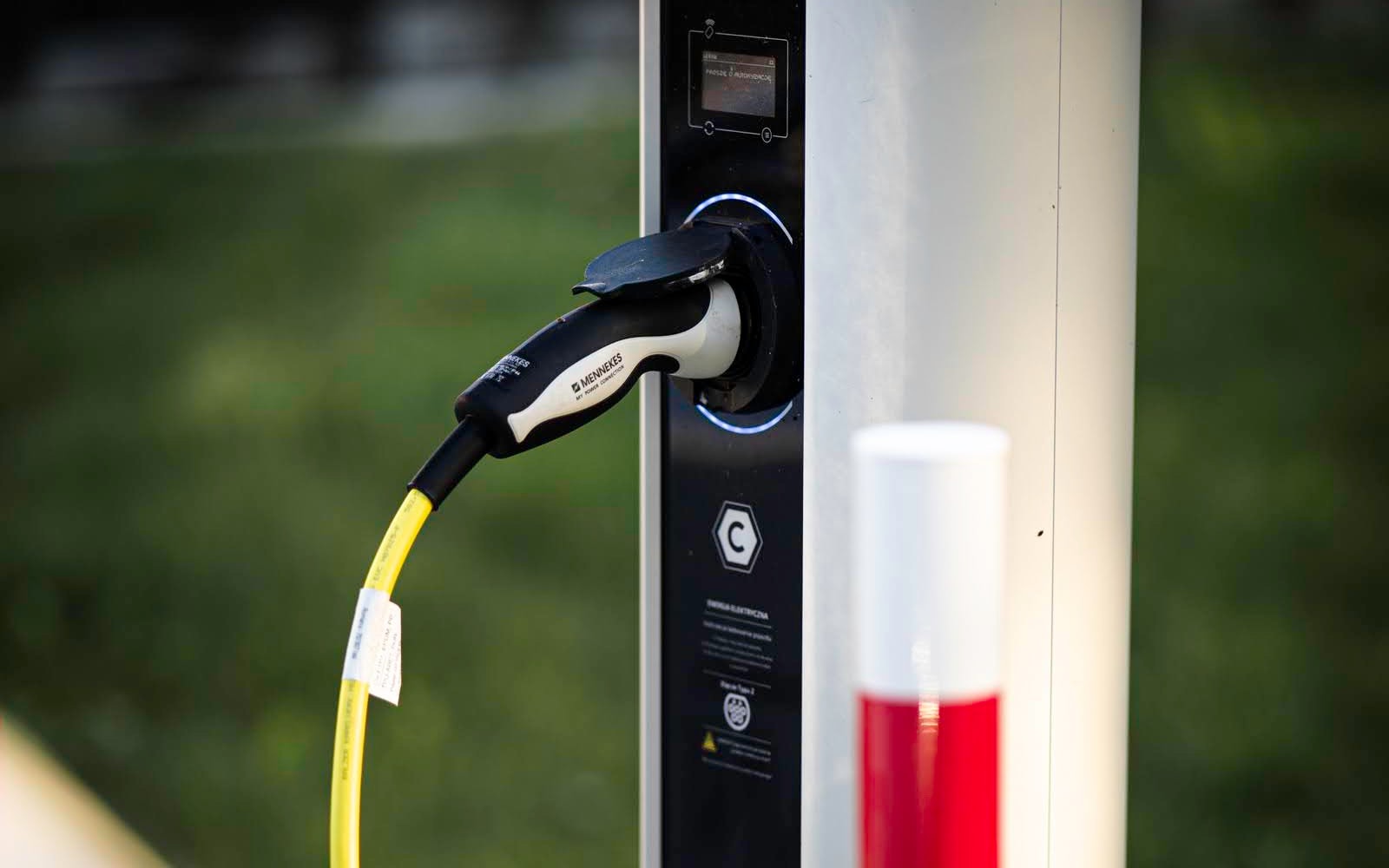
Do you live in an apartment block and want to charge your electric car in the underground car park or on the estate car park? It’s doable, but it requires three things: the consent of the housing community, a safe installation, and a billing method in which everyone pays for their own charging.
Yes, charging in an underground car park is permitted, but for fire-safety reasons it often requires a fire-safety assessment. An enclosed car park is a space with stricter requirements, so the installation is not something to do “on your own”.
UDT acceptance (by Poland’s Office of Technical Inspection) depends on how the charger is used. If you use it individually — as a private wallbox for a single user — UDT acceptance is usually not required. However, if it is an internal charging station serving many residents, it is subject to technical inspection and requires UDT acceptance.
Parking spaces in an apartment block usually belong to the common property or are assigned to units, so installing a charger requires the consent of the housing community or housing co-op. Most often, a resolution setting out the rules for installation and billing is needed.
The key is to assign consumption to a specific resident — so that everyone pays for their own sessions and the association doesn’t pay for a neighbour’s electricity, with no commission on energy sales. Metering can be done in several ways, depending on the installation and technical conditions:
The scope of requirements (including fire safety) depends on the specific building. Confirm it before installation.
We handle the entire process turnkey — see how we can help:
5 min read
8 min read
4 min read
4 min read
Call or write — we’ll answer your questions about assessment, installation and charger billing. You can also leave an enquiry in the form beside this.