
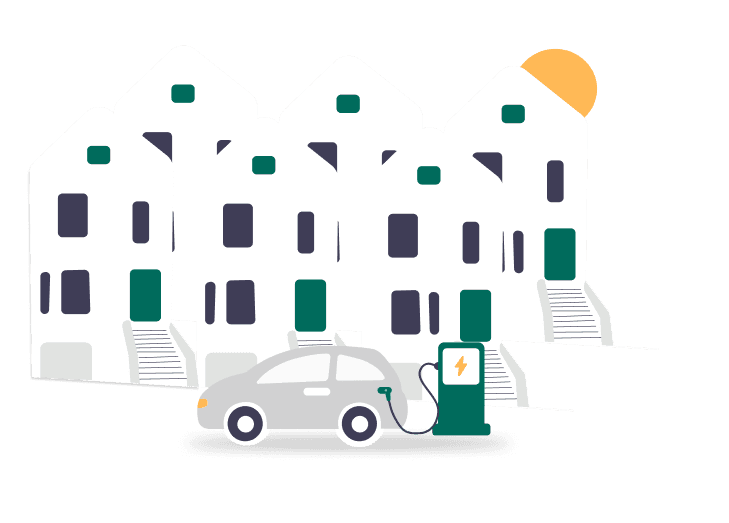
Ładowarki EV dla wspólnot i spółdzielni: plan rozwoju i realizacja pod klucz
Przygotowujemy plan rozwoju elektromobilności dla całego budynku wielorodzinnego i realizujemy go od A do Z: ekspertyzy, projekty, nowe przyłącza, montaż ładowarek, dynamiczny przydział mocy z wykorzystaniem energii z fotowoltaiki oraz zdalne rozliczenia dla zarządów i mieszkańców. Zajmujemy się też dokumentacją pod UDT i weryfikacją ppoż, doradzamy zarządom, w jakim kierunku rozwijać elektromobilność, a po uruchomieniu zapewniamy przeglądy okresowe i serwis.

Kompleksowa obsługa ładowarek EV we wspólnocie i spółdzielni
Jeden partner na całą drogę: od doradztwa i planu rozwoju, przez ekspertyzy, projekty i przyłącza, po montaż, odbiór UDT, rozliczenia i serwis.
Plan rozwoju elektromobilności
Ustalamy, ile punktów ładowania potrzeba teraz, jaką rezerwę zostawić na przyszłość i w jakiej kolejności rozbudowywać infrastrukturę budynku — tak, by kolejne etapy nie wymagały przeróbek.
Ekspertyzy i projekty
Oceniamy instalację elektryczną i możliwości przyłączeniowe budynku, a następnie projektujemy instalację ładowarek z licznikiem administracyjnym i podlicznikiem MID dla każdego punktu.
Nowe przyłącza, WLZ i rozdzielnice
Gdy obecna moc budynku nie wystarcza, projektujemy i wykonujemy nowe przyłącze do budynku wraz z wewnętrzną linią zasilającą (WLZ) i rozdzielnicami dla ładowarek — z mocą dobraną do planu rozwoju, a nie tylko do pierwszych aut.
Dynamiczny przydział mocy
Ładowarki korzystają ze wspólnej puli mocy, którą system na bieżąco dzieli między ładujące auta. Przyłącze nie zostanie przeciążone, a budynek obsłuży więcej ładowarek przy niższej mocy przyłączeniowej.
Konsumpcja z fotowoltaiki
Łączymy ładowarki z instalacją PV budynku, aby auta w pierwszej kolejności ładowały się energią ze słońca. Rośnie autokonsumpcja, a ładowanie jest tańsze dla mieszkańców.
Montaż i uruchomienie
Montujemy ładowarki, podliczniki MID i osprzęt, uruchamiamy dynamiczny przydział mocy i konfigurujemy system — taryfy, użytkowników i dostęp do ładowarek.
Zdalne rozliczenia dla zarządu i mieszkańców
Oprogramowanie do zdalnego odczytu podliczników MID i sesji ładowania, z panelem dla zarządcy i rozliczeniem każdego mieszkańca — bez prowizji od energii.
Dokumentacja pod UDT
Przygotowujemy komplet dokumentacji do badania technicznego i odbioru instalacji przez Urząd Dozoru Technicznego.
Weryfikacja przeciwpożarowa
Weryfikujemy instalację i miejsce montażu pod kątem bezpieczeństwa pożarowego, wraz z opinią rzeczoznawcy ds. zabezpieczeń przeciwpożarowych.
Przeglądy okresowe
Wykonujemy okresowe przeglądy ładowarek i instalacji z pomiarami elektrycznymi i protokołami, które dokumentują jej bezpieczny stan.
Serwis i utrzymanie
Zdalnie monitorujemy ładowarki, diagnozujemy i usuwamy usterki, a czasy reakcji gwarantuje umowa SLA — żeby mieszkańcy mogli ładować bez przerw.
Doradztwo dla zarządów
Pomagamy zarządom wybrać model ładowania — ładowarki indywidualne czy rotacyjne huby — zaplanować etapy inwestycji i ustalić zasady korzystania dla mieszkańców.
Co jest najważniejsze dla wspólnoty mieszkaniowej
Trzy rzeczy, na których zależy zarządowi i mieszkańcom — i które projektujemy od pierwszej rozmowy.
Tanie i sprawiedliwe rozliczanie
Każdą ładowarkę mierzy legalizowany podlicznik MID, a koszt energii trafia do konkretnego mieszkańca. Wspólnota nic nie dopłaca, a mieszkaniec płaci wyłącznie za swoje kilowatogodziny — bez prowizji od sprzedaży energii, w prostym abonamencie za punkt.
Przemyślane i spójne rozwiązanie
Jeden projekt i jeden wykonawca dla całego budynku zamiast doraźnych podłączeń zlecanych przez poszczególnych mieszkańców. Ładowarki, przyłącze, rozliczenia i serwis tworzą jeden system, a kolejne punkty dokładasz etapami, bez powtarzania całej procedury. Przemyślany projekt to przemyślany rozwój elektromobilności.
Bezpieczeństwo
Weryfikacja ppoż, dobór zabezpieczeń i przygotowanie pod odbiór UDT dla całej instalacji. Dynamiczny przydział mocy chroni przyłącze przed przeciążeniem nawet przy kilku ładujących autach naraz, a przeglądy okresowe potwierdzają, że instalacja pozostaje bezpieczna.
Jak wygląda montaż ładowarek we wspólnocie — krok po kroku
Zaczynamy nie od sprzętu, lecz od potrzeb i ścieżki rozwoju całego budynku.
Analiza i doradztwo
Analizujemy budynek i potrzeby mieszkańców, doradzamy kierunek rozwoju i określamy liczbę punktów ładowania na teraz oraz rezerwę na przyszłość.
Ścieżka rozwoju
Wybieramy model: ładowarki indywidualne pod dynamicznym przydziałem mocy na liczniku ADM albo wewnętrzne huby ładowarek AC do rotacyjnego ładowania.
Ekspertyzy i projekt
Wykonujemy ekspertyzy i projekt — w razie potrzeby także nowego przyłącza, WLZ i rozdzielnic — z podlicznikami MID, dynamicznym przydziałem mocy i integracją z PV. Weryfikujemy instalację pod kątem ppoż i przygotowujemy dokumentację pod UDT.
Montaż i uruchomienie
W razie potrzeby wykonujemy przyłącze i WLZ, montujemy ładowarki i uruchamiamy cały system.
Rozliczenia, przeglądy i serwis
Zdalnie odczytujemy i rozliczamy ładowanie, wykonujemy przeglądy okresowe i zapewniamy serwis.
Formalności i bezpieczeństwo bierzemy na siebie. Zobacz szczegóły ekspertyzy ppoż i odbioru UDT, a także zakres montażu i serwisu.
Ładowarki indywidualne czy wspólne? Dwie ścieżki rozwoju
Wspólnie wybieramy jedną z dwóch ścieżek — albo łączymy obie w miarę, jak rośnie liczba aut elektrycznych.
Ładowarki indywidualne z dynamicznym przydziałem mocy (DLB)
Każdy zainteresowany mieszkaniec ma własną ładowarkę na swoim miejscu, ale wszystkie są wpięte pod jeden licznik administracyjny (ADM) i objęte dynamicznym przydziałem mocy. System rozdziela dostępną moc między aktualnie ładujące auta, a zużycie każdego punktu mierzy podlicznik MID.
Dzięki DLB obniżamy współczynnik jednoczesności: zamiast rezerwować moc 1:1 na każdą ładowarkę, stosujemy mnożnik (np. 0,4). To realnie zmniejsza wymaganą moc przyłączeniową i koszt przyłącza.
Wewnętrzne huby ładowarek AC do rotacyjnego ładowania
Zamiast własnego stanowiska dla każdego montujemy współdzielony hub ładowarek AC, z których mieszkańcy korzystają na zmianę. System zarządza dostępem i kolejnością, a każdą sesję odczytujemy i rozliczamy zdalnie — każdy płaci wyłącznie za swoje ładowanie.
Jedno gniazdo rotacyjne jest w stanie obsłużyć nawet do 7 samochodów elektrycznych we wspólnocie bez tworzenia kolejek — to znacznie tańsze niż osobna ładowarka dla każdego.
Niezależnie od ścieżki, dla całej wspólnoty korzystniej jest wykonać jedną zbiorczą ekspertyzę i przyjąć wspólny plan rozwoju niż podłączać każdego mieszkańca osobno. Więcej w artykule Zbiorcza ekspertyza i grupa ładowarek, a zakres formalności opisujemy na stronie ekspertyzy ppoż i odbioru UDT.
Oprogramowanie dla zarządcy: zdalny odczyt i rozliczenia bez prowizji
Dostarczamy system, w którym zarządca wspólnoty lub spółdzielni prowadzi całe ładowanie w budynku z jednego panelu — zarówno ładowarki indywidualne z dynamicznym przydziałem mocy, jak i wewnętrzne ładowarki dostępne dla każdego mieszkańca.
Bez prowizji od energii
Płacicie stały miesięczny abonament za punkt ładowania. Nie pobieramy prowizji od sprzedaży energii — całość opłat za ładowanie zostaje we wspólnocie.
Ładowarki z balansowaniem mocy
Indywidualne ładowarki mieszkańców na wspólnym liczniku administracyjnym: system rozdziela moc, a panel pokazuje jej wykorzystanie i szczyty ładowania.
Wewnętrzne ładowarki dla każdego mieszkańca
Wspólne ładowarki w garażu, z których korzysta każdy uprawniony mieszkaniec. Mieszkańcy widzą wolne i zajęte złącza, a każda sesja jest przypisana do konkretnej osoby.
Zdalny odczyt
Odczyty podliczników MID i wszystkich sesji ładowania trafiają do panelu automatycznie — bez chodzenia po garażu i spisywania liczników.
Taryfy i dostęp
Zarządca ustala stawkę za kWh (np. stałą lub dzień/noc) i nadaje uprawnienia per lokal, budynek lub ładowarka.
Raporty do refaktury
Zestawienia zużycia energii, kosztów i liczby sesji na każdego użytkownika — gotowe do refaktury.
Cennik systemu Domena Power
Prosty abonament dla każdej ładowarki, bez prowizji od sprzedaży energii.
Domena Power rozlicza się w formie miesięcznego abonamentu za wpięcie ładowarek do systemu. Nie pobieramy prowizji od sprzedaży energii, więc całość przychodu zostaje u Ciebie.
Policz miesięczną opłatę za system
Wyliczymy kwotę netto i brutto z VAT 23% dla Twojej liczby ładowarek.
Liczba ładowarek (gniazd)
Pierwsze gniazdo 30 zł, każde kolejne +10 zł netto/mies.
Komunikacja zewnętrzna (karty SIM LTE)
Gdy ładowarka nie ma dostępu do internetu obiektu. Pierwsza karta gratis, każda kolejna +10 zł netto/mies.
Ile kosztują ładowarki we wspólnocie? Wycena inwestycji i serwisu
Każdy budynek jest inny, dlatego inwestycję oraz serwis z przeglądami wyceniamy indywidualnie — po rozpoznaniu obiektu i liczby punktów. Abonament systemu rozliczeń policzysz w kalkulatorze powyżej.
Inwestycja pod klucz
Wycena indywidualna
Ekspertyzy i projekt, w razie potrzeby nowe przyłącze z WLZ i rozdzielnicami, podliczniki MID i dynamiczny przydział mocy (także z energią z PV), montaż ładowarek, weryfikacja ppoż, dokumentacja pod UDT oraz konfiguracja systemu rozliczeń. Koszt zależy od obiektu, ścieżki rozwoju i liczby punktów.
 Jedna zbiorcza dokumentacja i plan rozwoju dla całego budynku
Serwis i przeglądy
Wycena indywidualna
Przeglądy okresowe z pomiarami i protokołami, diagnostyka usterek oraz serwis z gwarantowanymi czasami reakcji (SLA). Wycena zależy od liczby ładowarek i lokalizacji obiektu.
Pełna opieka nad instalacją: od przeglądów po naprawy
Ładowarki EV we wspólnocie i spółdzielni — najczęstsze pytania
- Indywidualne to własna ładowarka na miejscu każdego zainteresowanego mieszkańca, wpięta pod wspólny licznik administracyjny z dynamicznym przydziałem mocy. Rotacyjny hub AC to współdzielony zestaw ładowarek, z których mieszkańcy korzystają na zmianę — jedno gniazdo obsłuży nawet do 7 aut bez kolejek. W obu modelach każdy płaci wyłącznie za swoje ładowanie.
- Nie. Ładowarki wpinamy pod jeden licznik administracyjny z dynamicznym przydziałem mocy (DLB), który rozdziela dostępną moc między aktualnie ładujące auta. Zamiast rezerwować i blokować moc 1:1, stosujemy współczynnik jednoczesności (np. 0,4), dzięki czemu wymagana moc przyłączeniowa jest znacznie niższa.
- To legalizowany licznik energii spełniający dyrektywę MID, montowany przy każdej ładowarce. Mierzy rzeczywiste zużycie danego stanowiska, dzięki czemu rozliczenie jest dokładne co do kilowatogodziny i można je wykorzystać do refaktury.
- Nie. Koszt energii przypisujemy do konkretnego użytkownika na podstawie pomiaru podlicznika MID i sesji, więc każdy płaci za swoje, a wspólnota nie dopłaca.
- Tak. Instalacja w budynku wielorodzinnym wymaga zgody wspólnoty oraz analizy wpływu na instalację elektryczną i bezpieczeństwo pożarowe.
- W większości przypadków tak. Do badania technicznego UDT wymagana jest opinia rzeczoznawcy ds. zabezpieczeń przeciwpożarowych. Realizujemy ją w ramach naszych ekspertyz.
- Zdecydowanie zbiorczą. Jedna ekspertyza i projekt dla całego budynku oraz przyjęty plan rozwoju elektromobilności są tańsze, spójne i pozwalają dokładać kolejne punkty bez powtarzania procedury. Osobne ekspertyzy przy każdym mieszkańcu powielają koszty analizy tego samego obiektu i szybko wyczerpują dostępną moc.
- Najpierw sprawdzamy, ile punktów obsłuży obecne przyłącze z dynamicznym przydziałem mocy. Jeśli to nie wystarczy dla planowanej liczby ładowarek, projektujemy i wykonujemy nowe przyłącze do budynku wraz z WLZ i rozdzielnicami, z zapasem mocy na kolejne etapy planu rozwoju.
- Tak. Jeśli budynek ma instalację PV lub ją planuje, włączamy ją do dynamicznego przydziału mocy — nadwyżki energii ze słońca trafiają w pierwszej kolejności do ładujących aut. Rozliczenie każdego mieszkańca nadal opiera się na podliczniku MID.
- Na podstawie danych z systemu. Każda sesja ładowania jest przypisana do konkretnego mieszkańca i zmierzona podlicznikiem MID, więc zarząd refakturuje energię według rzeczywistego zużycia — bez szacunków i ręcznych odczytów.
- Tak. Montaż, przeglądy okresowe i serwis na warunkach SLA to część naszej oferty — możesz zlecić je razem z całą inwestycją pod klucz albo osobno, także dla istniejących ładowarek.
Chcesz przemyślany projekt ładowarek dla swojej wspólnoty?
Umów rozmowęPorozmawiajmy o współpracy
Zadzwoń lub napisz — odpowiemy na pytania o ekspertyzę, montaż i rozliczanie ładowarek. Możesz też zostawić zapytanie w formularzu obok.